



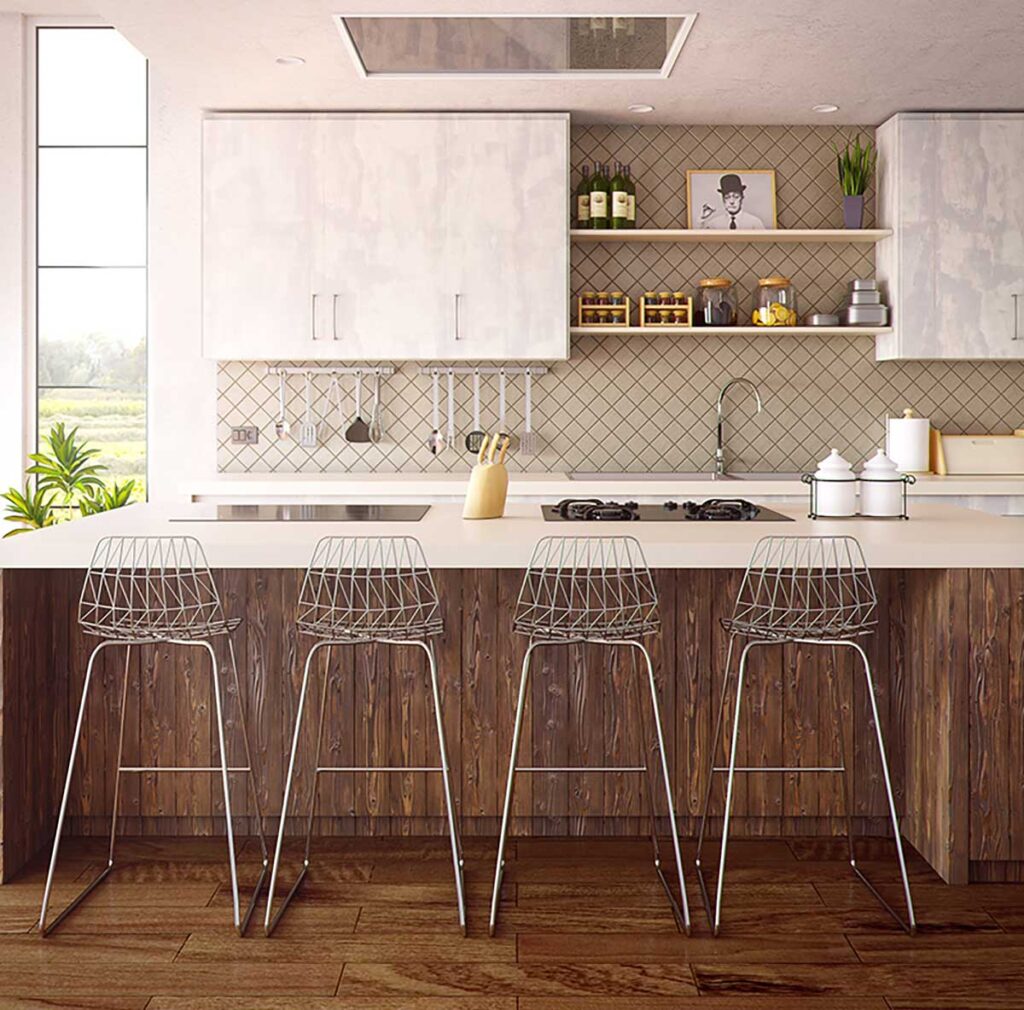
The kitchen is the heart of the home, and also where clutter quietly piles up year after year. Whether you are downsizing to a smaller home or condo here in Brantford, decluttering ahead of a move, or simply tired of fighting a cupboard full of mismatched containers, paring your kitchen down to what you actually use is one of the most satisfying projects you can take on. Here is a practical, room-by-room guide to downsizing your kitchen without the overwhelm.
Start with the right mindset: keep what fits your life now
Here is the mental shift that makes everything else easier. Over the years, most of us keep stocking the kitchen for a life we may no longer be living: the big holiday dinners, the full house, the way we used to cook. So we hold onto things “just in case.” Downsizing is not about deprivation or erasing the past. It is about keeping what supports the life you actually live today. As you go, swap the question “might I use this someday?” for “do I use this now?” That one change takes the agony out of nearly every decision. This is especially freeing if you are an empty-nester whose kitchen is still stocked for a household of five.
Work one zone at a time, and start with the counters

Trying to do the whole kitchen in one go is how people burn out halfway through. Instead, pick one area, pull everything out of it, and sort into four piles: keep, donate, sell, and toss. Then move to the next area. Begin with your countertops, the most valuable real estate in the room. Only the appliances you genuinely use every day earn a spot out on the counter; everything else gets stored in a cabinet or rehomed. From there, work through your cabinets, drawers, and pantry one at a time. A helpful trick: let your cabinets and drawers act as natural boundaries. If your keep pile does not fit, that is a clear sign there is still more to let go of.
Cut the duplicates
These are the easiest wins, so start here for quick momentum. Be honest about how many of each thing you truly need. Four spatulas, three whisks, a drawer overflowing with mismatched mugs, six casserole dishes you pull out twice a year: keep the favourites you actually reach for and donate the rest. The same goes for dishes and glassware. For most households, one everyday set and one nicer set for guests is plenty, no matter how many you have accumulated.
Let go of the single-use gadgets
Be honest about the specialty machines gathering dust at the back of the cabinet: the bread maker, the ice cream churn, the snow-cone machine, the quesadilla press, the egg cooker. They seemed like a great idea, but how often do they really come out? Most single-use gadgets simply do not get used enough to justify the space they swallow. The good news is that many of their jobs can be done with tools you already own, like your oven, your stovetop, or a good pot, so letting them go costs you almost nothing in practice.
Invest in a few hardworking multi-taskers
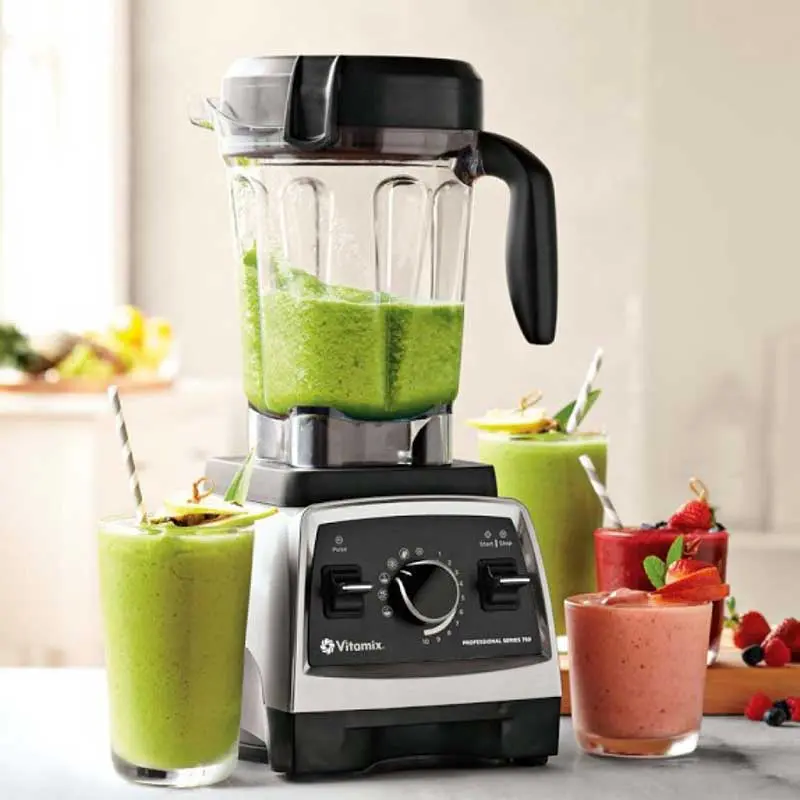
The flip side of ditching single-use gadgets is leaning into versatile ones. A handful of quality multi-taskers can replace a whole cupboard of clutter. A good chef’s knife handles most of what a pile of specialty cutters do. A powerful blender can stand in for a food processor, a smoothie maker, and an immersion blender all at once. A multi-cooker that pressure-cooks and slow-cooks can replace a separate rice cooker, steamer, and more. A cast iron skillet goes from stovetop to oven and lasts a lifetime. One excellent multi-tasker earns its keep on your counter, where five single-purpose machines never will.
Tame the usual clutter zones
Every kitchen has a few predictable problem spots. Tackle these and the room instantly feels lighter:
- Food storage containers: the classic chaos of lonely lids and orphaned bottoms. Keep only the sets that nest neatly and still have matching lids, and recycle the rest.
- The junk drawer and paper piles: kitchens collect mail, keys, takeout menus, and odds and ends. Relocate anything that does not belong in the kitchen, and sort papers into keep, shred, and recycle.
- Mugs, water bottles, and travel thermoses: keep a sensible number per person and let the rest go.
- Cookbooks: hold onto the ones you genuinely cook from. Many of us reach for recipes online now anyway.
- Counter decor and impulse buys: clear surfaces feel calmer and make the whole kitchen look bigger.
- Expired food and spices: toss anything past its date, and set aside unopened, non-expired items to donate.
Handle the sentimental items gently
Grandma’s china, the mug from your first trip abroad, the kids’ handprint plates: these are the hardest, and that is okay. Downsizing is not about throwing away memories, it is about making room for the life you are living now. Give yourself permission to keep a small, curated set of pieces that genuinely bring you joy or that you will actually use. For the rest, consider photographing them to preserve the memory, or passing them down to family who will treasure them. Letting go gets easier when you know the story lives on, just not in your cupboard.
Beat decision fatigue with a few simple rules
Decluttering is tiring mostly because every single item is a decision, and that wears you down fast. Firm rules cut through it. Lean on a few:
Rules that make decisions easy
- If you have not used it in a year, it goes.
- One everyday set and one nice set, for dishes, glasses, and serveware.
- Going forward, follow one-in, one-out: a new gadget means an old one leaves.
- Work in short sessions rather than marathons, and recruit a friend or family member to keep you honest and moving.
Where it all goes
You do not have to send it to the landfill. Here is how to move things out responsibly:
- Donate gently-used items to a local charity or thrift store, or list them in a community Buy Nothing or Freecycle group.
- Sell higher-value pieces, roughly anything worth $50 or more, on Facebook Marketplace or Kijiji. Below that, donating is usually faster and less hassle.
- Give food that is unopened and unexpired to a local food bank, calling ahead to check what they can accept.
- Recycle or toss anything broken, chipped, or cracked. It is not doing anyone any favours.
Organize what is left
Once you have pared down, a little organization keeps it that way. Store the things you use daily within easy reach, and tuck rarely-used items up high or at the back. In a smaller kitchen especially, simple tools work wonders: drawer organizers, a magnetic knife strip, shelf risers to double your cabinet space, and dividers to stand pans and lids upright. A decluttered kitchen is dramatically easier to keep tidy, and far more pleasant to cook in.
If you’re downsizing for a move
If a move is driving this, work backward from your moving date and tackle one zone at a time so the whole kitchen is done before the boxes arrive. There is a nice bonus here too: a decluttered, pared-down kitchen shows beautifully when you are selling the family home. Clear counters and tidy, half-empty cabinets make a kitchen look bigger and better cared for, which is exactly what buyers respond to. Our pre-listing checklist and our moving checklist walk through the rest of the process.
Downsizing your kitchen is really about making your space fit the life you live now, and it is one of the most rewarding changes you can make at home. If you are thinking about right-sizing to a smaller home or condo here in Brantford or Brant County, we would love to help you take the next step. Find out what your current home could sell for with a free home evaluation, or reach out to our team any time.
Thinking about downsizing your home?
We help Brantford and Brant County homeowners right-size with ease. Start with a free, no-obligation read on what your home is worth.
Get Your Free Home Evaluation