




Ask most people when to sell a home and they will say spring without hesitation. And it is true that spring brings out the most buyers. But here is what that advice leaves out: spring also brings out the most sellers, which means your home is competing against a flood of similar listings. Winter flips that equation. Fewer buyers are looking, yes, but there are far fewer homes for them to choose from, and the buyers who are out in the cold tend to be serious. For a lot of sellers in Brantford and Brant County, that trade is well worth making. Here is the real, data-backed case for listing in winter, along with an honest look at the trade-offs and how to come out ahead.
First, isn’t spring really the best time to sell?
It depends on what you are optimizing for. Nationally, the data does show spring as the peak: an analysis by ATTOM Data Solutions found the months from February through June have historically been the most lucrative for sellers, with May earning the highest premium above market value. More buyers and longer, sunnier days genuinely help. The catch is that everyone knows this, so spring is also when the most homes hit the market at once. As one industry analysis put it, a home that would get focused attention in January can struggle for visibility in April when comparable listings flood in all at the same time. Standing out often matters more than the raw number of buyers, and that is exactly where winter works in your favour.
1. Far less competition

This is the big one. Inventory follows a predictable pattern every single year: the number of homes for sale drops through the winter, then climbs again as spring approaches. That means when you list in the colder months, your home is one of a handful that motivated buyers can choose from, rather than one of dozens nearly identical to it. Less competition translates directly into more eyes on your listing, more showings per available buyer, and more negotiating leverage. List in spring and you are shouting in a crowded room. List in winter and you may be one of the only voices buyers hear.
2. The buyers are serious

Nobody braves a Canadian winter to tour homes on a whim. The people house hunting in January and February almost always have a real reason to move: a job relocation, a lease ending, a growing family, or another life change with a deadline attached. Industry research draws a sharp contrast here. Spring tends to attract discretionary buyers who are out because the weather is nice, and who are often pickier about condition and quicker to walk away over small issues. Winter buyers, by contrast, are there because they need to be, so they write stronger offers, negotiate less, and close more efficiently. You may see fewer people at a showing, but five motivated buyers beat fifteen curious browsers every time.
3. It’s corporate relocation season

January and February are two of the biggest months of the year for corporate relocations, as companies move staff at the start of a new budget year. Relocation buyers are about as motivated as they come: they often have a firm start date, a relocation package, and no time to leisurely shop around. When they find a home that checks their boxes, they are ready to commit. With Brantford’s easy 403 access to Hamilton, Waterloo, and beyond, our area regularly draws buyers relocating for work, and in winter there is far less inventory competing for their attention.
4. You will save on moving costs

Moving companies follow the same rhythm as the housing market. They are slammed and expensive through the summer, when most families relocate, and much quieter in the winter. Selling in the off-season often means you can book the movers you want, on the dates you want, frequently at better rates or with promotions you would never see in July. The same tends to apply to other services you will need around a move, from cleaners to handypeople, simply because demand is lower. It is a practical perk that can put real money back in your pocket.
5. Fewer footprints through your home

Here is an underrated, very practical benefit: living in a home that is for sale is disruptive, and fewer showings means less disruption. With a smaller but more serious pool of buyers, you are not constantly clearing out for back-to-back showings or scrubbing away mud, snow, and slush after a parade of casual browsers. It is easier to keep the home show-ready, easier on your routine, and easier on your floors. Quality of traffic over quantity makes the whole selling process more livable.
6. No landscaping pressure
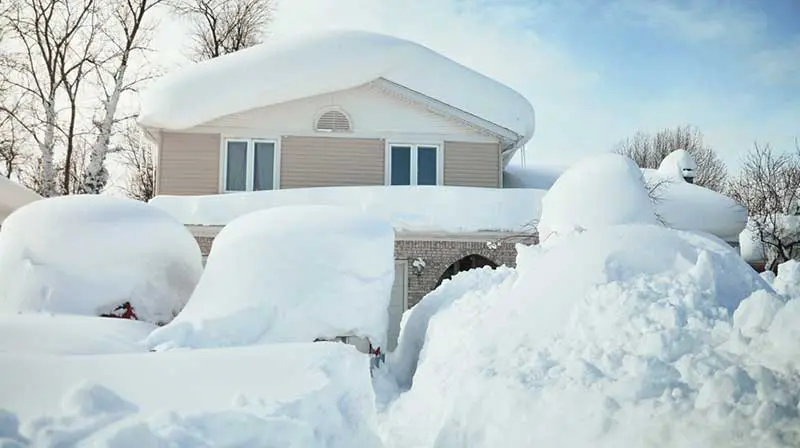
In spring and summer, curb appeal means hours and dollars spent on the lawn and gardens, mowing, weeding, mulching, and planting to keep everything looking sharp through the whole listing. Winter takes that off your plate. With a blanket of snow over the yard, no one is judging your flower beds. Your curb-appeal job shrinks to keeping the driveway and walkways shovelled, salted, and safe, and making the entry feel warm and welcoming with a wreath and a glowing porch light. Less yard work, same great first impression.
The honest trade-offs
We would not be doing our job if we only told you the upside. Winter is the slowest season in most markets, and that comes with real considerations. There are fewer buyers overall, so your home can take longer to sell: the National Association of Realtors notes that the typical home’s time on the market stretches to around 49 days in winter, compared with roughly a month during the peak. Prices can also be a touch softer than the spring high. And weather simply makes showings harder to schedule and homes harder to present at their best. None of this cancels out the advantages above, but it does mean winter rewards sellers who price realistically and present their home well, rather than those hoping a spring-style bidding war will bail out an optimistic list price. Done right, the less-competition advantage can more than make up for the quieter market.
How to win as a winter seller
If you decide to list in the colder months, a few moves make all the difference:
Your winter selling playbook
- Price it right from day one. With fewer buyers, an overpriced home lingers. A sharp, data-backed price attracts the serious buyers who are out there and can even spark competition among them.
- Make it warm and inviting. Keep the heat comfortable, open the blinds, turn on the lights, and add cozy touches. A home that feels warm and bright on a grey day stands out instantly.
- Invest in great photos and video. Online browsing spikes in winter, so professional photography, a video tour, and a 3D walkthrough do a lot of the heavy lifting before anyone visits. If you have summer photos of the exterior and garden, use them too.
- Keep it safe and accessible. Shovel and salt before every showing, clear the steps, and put a mat down for boots. You never want a buyer’s first impression to be a slippery walk.
- Show off your winter-ready features. A newer furnace, good insulation, updated windows, or a cozy fireplace are exactly what buyers care about in January. Make sure they are front and centre.
- Be flexible with showings. Daylight is short and schedules are tight, so accommodating evening and weekend visits helps you capture every motivated buyer.
So if you have been telling yourself to wait for spring, it is worth questioning that instinct. The best time to sell is often the time that fits your life, and winter is far better than its reputation suggests, especially for a well-priced, well-presented home with less competition around it. If you would like a clear, honest read on what your home could sell for and whether listing now makes sense for you, we are always happy to talk it through. Start with a free home evaluation, brush up with our pre-listing checklist, or read up on pricing your home to sell.
Thinking about listing this winter?
Get a free, no-obligation read on your home’s value, and we will help you decide if now is your moment.
Get Your Free Home Evaluation