





Moving is stressful for us, but at least we understand what is happening. Your pet does not. To them, the boxes, the strangers tramping in and out, and the sudden disappearance of their familiar world are confusing and a little frightening. The good news is that with some planning, you can make the whole experience far calmer and safer for your dog, cat, or other companion. Here is a vet-informed, step-by-step guide to moving with pets, from the weeks beforehand all the way to settling into your new Brantford home.
Before the move: plan ahead
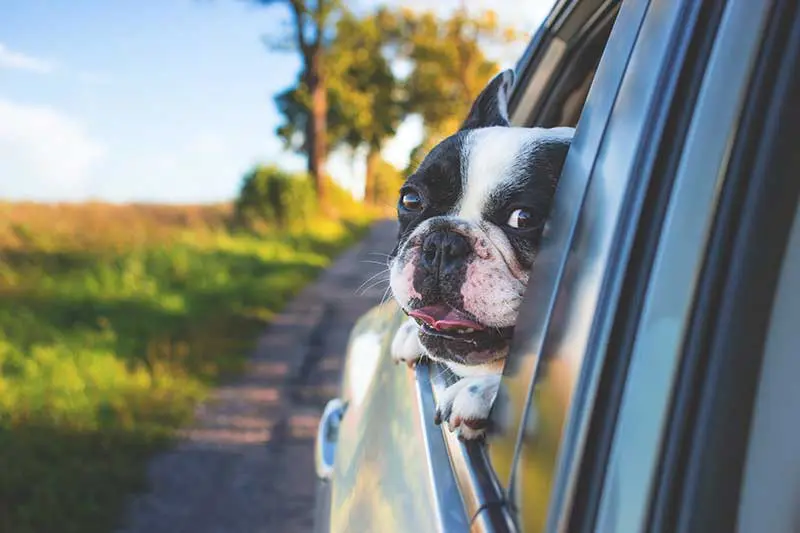
The smoothest moves with pets start well before moving day. Use the weeks beforehand to get these in place:
- Visit the vet. Book a checkup to make sure your pet is healthy for the move, get vaccinations up to date, request a copy of their records, and refill any medications. Ask your vet about calming options too, from pheromone products and calming treats to anti-anxiety medication for very nervous pets, and trial anything new a few days early so you know how your pet reacts. Note that many vets advise against sedation for travel unless they specifically recommend it. If you are moving farther afield, ask for a referral to a new vet.
- Update their ID. Do not skip this one. A move is the single most common time for a pet to slip out and get lost, so before moving day, update your microchip registry and ID tags with your new address and phone number, and update your pet’s licence with the City of Brantford or County of Brant. It is your most important safety net.
- Protect their routine and their scent. Keep feeding, walking, and play times as consistent as you can. Pack your pet’s belongings last, and resist washing their bed and blankets, those familiar smells are deeply comforting. Bring moving boxes out gradually so they are not a sudden shock.
- Get them used to the carrier and car. Start two to three weeks ahead. Leave the carrier out with treats and a familiar blanket inside, feed meals in it, and take a few short car rides, rewarding calm behaviour. The goal is a positive association before the big day.
Moving day: safety first
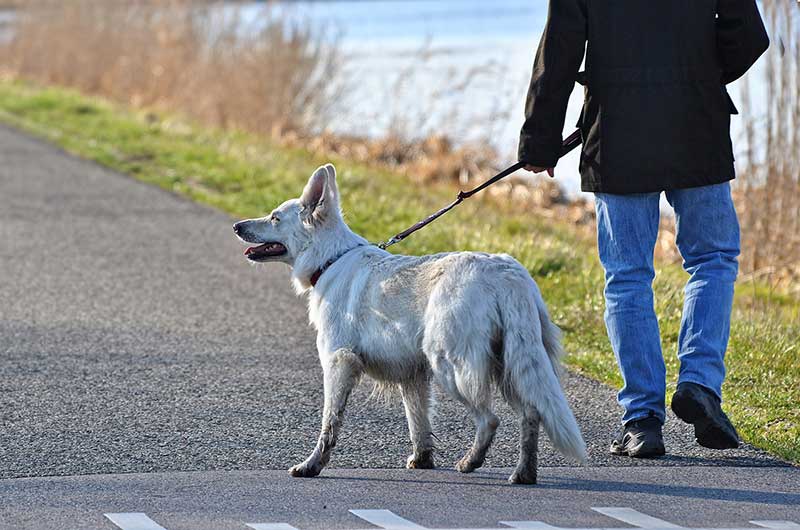
Moving day is when the risk of an escape or accident is highest, so the priority is simply keeping your pet safe and contained.
- Set up a safe room, or arrange a sitter. Confine your pet to one quiet, closed room, a bathroom or empty bedroom works well, with their bed, water, food, litter box, and favourite toys, and put a “Do Not Open, Pet Inside” note on the door. Tell the movers it is off limits, and pack that room last. For an especially anxious pet, the calmest option of all is a day with a trusted friend or family member, or at a boarding or daycare, well away from the open doors and chaos.
- Travel safely. Cats and small pets should ride in a secure, well-ventilated hard carrier, with a light towel draped over it to help cats feel hidden. Dogs should be in a crash-tested harness or a secure crate. Never let a pet loose in the car, never put them in the moving truck or trunk, and never leave them alone in a parked vehicle, where temperatures climb dangerously fast. On longer drives, stop every few hours so dogs can stretch, drink, and relieve themselves, keep cats in their carrier, and keep your vet records handy.
The four things that matter most
- Update the microchip and ID tags before you move.
- Transport pets in a secure carrier or harness, never loose.
- Keep pets in a safe room or with a sitter on moving day.
- Keep cats indoors at least two weeks after the move.
Settling into your new home

How you handle the first days in the new place sets the tone for how quickly your pet relaxes.
- Pet-proof first. Before your pet comes inside, secure all doors, windows, and screens, walk the yard and fence line for gaps or escape routes, and remove hazards like loose cords, toxic products, and pest traps.
- Set up a home base. Recreate their familiar world in one quiet room: bed, bowls, toys, litter box, and scratching post, arranged as much like the old home as you can. Let them settle there before they take on the whole house.
- Introduce the house gradually. Do not give your pet the run of the place on day one. Cats especially do best confined to their home-base room for the first few days, with hiding spots and a calming pheromone diffuser, then allowed to explore at their own pace over the following days and weeks. Dogs do well being leashed and walked through the house room by room after a potty break outside, then taken on your usual routes around the new neighbourhood right away to help them get their bearings. If you get your keys before closing day, letting a dog visit the empty house a few times first makes the final move feel familiar.
- Keep the routine, and keep their food the same. Hold feeding, walking, and play times steady for at least a couple of weeks, and give plenty of affection and exercise to burn off nervous energy. Avoid switching their food right now, since a diet change on top of moving stress is a recipe for an upset stomach.
- Watch for stress signs. Hiding, a dip in appetite, the odd accident, extra vocalizing, or clinginess are all normal in the short term, and most pets settle within a couple of weeks to a month. But if your pet refuses food for more than a day or two, or the symptoms drag on or worsen, check in with your vet.
Cats and dogs adjust differently
It helps to know what to expect from each. Cats are creatures of habit and tend to take a move harder, hiding and moving cautiously, which is exactly why the one-room start, the hiding spots, and especially keeping them indoors for at least two weeks matter so much. A cat let outside too soon can become disoriented or try to return to the old home. Dogs are usually more adaptable, but they are deeply tuned to your routine and mood, so consistency and early neighbourhood walks go a long way. Just do not leave a dog alone in the new yard during the adjustment period, because unfamiliar fences have a way of revealing hidden jumping and digging talents.
Moving with other pets
It is not just cats and dogs. Other companions need a little extra thought:
- Small animals like rabbits, guinea pigs, and hamsters travel best in a secure carrier with familiar bedding and a stable temperature. Set up their full enclosure before introducing them, and watch their appetite, since stress can put them off food.
- Birds are highly reactive to change. Use a secure carrier or partially covered cage with a steady perch, place the cage in a quiet, low-traffic spot at the new home, and keep their light cycles consistent.
- Fish are the trickiest. For a short move, transport them in bags or buckets of their own tank water and re-acclimate them slowly; for a longer move, ask an aquarium specialist for advice.
- Reptiles and other exotics need their temperature maintained in transit, often with heat packs, and a word with an exotic-experienced vet before any long trip.
Above all, be patient and stay calm yourself, because pets read our stress and feed off it. Our furry, feathered, and finned family members did not choose to move, but with a bit of preparation, plenty of reassurance, and a steady routine, they will be curled up happily in their new home before you know it. If you are buying or selling in Brantford or Brant County, we are always glad to help make the whole move smoother for everyone in the family. Take a look at our complete moving checklist, explore the home buying process, or get in touch with our team any time.
Planning a move in Brantford?
From your first showing to settling in with the whole family, pets included, we are here to help every step of the way.
Get in Touch