




A backyard pool can feel like a permanent vacation: a place to cool off on a hot Brantford afternoon, get some exercise, and gather the family all summer long. For the right buyer, it is a genuine dream. But a pool is also a real, ongoing commitment of time and money, and the home that comes with one deserves a closer look than most. If you are house hunting in Brantford or Brant County and a property with a pool has caught your eye, here is what to know before you dive in.

First, know your pool type
Not all pools are created equal, and the type tells you a lot about what you are signing up for. The first split is between above-ground and in-ground. Above-ground pools are far cheaper to buy and install, but they have shorter lifespans and add little to a home’s value. In-ground pools are the bigger commitment, and they come in three main materials:
- Vinyl liner: the most common in Ontario backyards. Affordable up front, but the liner itself wears out and typically needs replacing every 10 to 15 years, which is a significant cost.
- Fiberglass: a smooth, pre-formed shell that is quick to install and easy on maintenance and chemicals, though shapes and sizes are more limited.
- Concrete or gunite: the most durable and fully customizable, but also the most maintenance-heavy, and they need resurfacing every so often.
Knowing which kind you are looking at lets you anticipate the repairs and replacements headed your way, and roughly when.
Understand the true cost of ownership
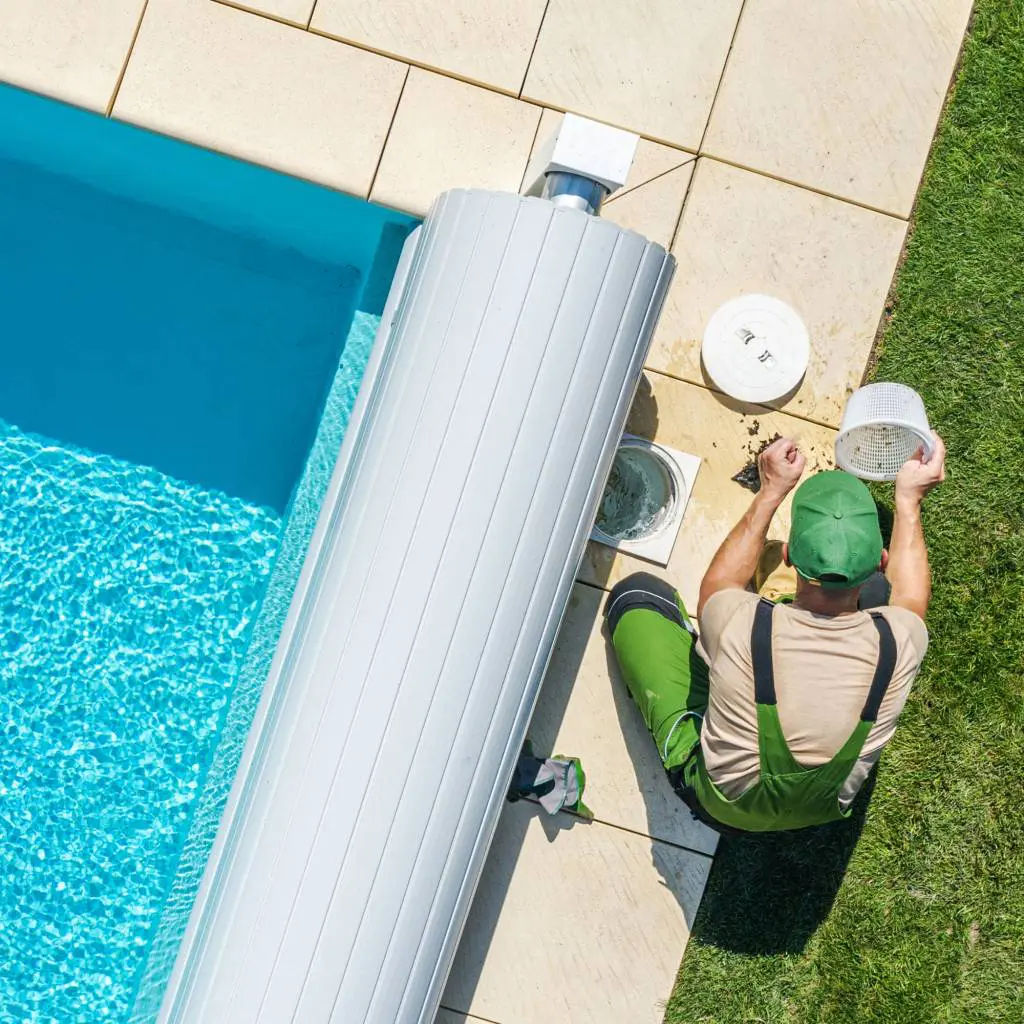
The purchase is just the beginning. In our climate, a pool is a seasonal expense that adds up across the year, so it helps to picture the full list before you commit:
- Opening and closing: every spring and fall the pool needs to be opened and winterized. You can do it yourself, or pay a pool company a few hundred dollars for each visit.
- Chemicals and supplies: chlorine or salt, testing kits, and cleaning gear are an ongoing cost through the season.
- Electricity: running the pump and filter all summer noticeably bumps your hydro bill, and a heater adds more.
- Water: filling and topping up the pool uses a meaningful amount of water.
- Repairs and replacements: pumps, filters, heaters, covers, and liners all wear out over time, and several of these are major-ticket items when they go.
Realistically, owning a pool tends to cost well over a thousand dollars a year once you add it all up, and more if you have a heater or pay for full-service maintenance. None of that should scare you off if a pool is what you want, but it should be a known line in your budget, not a surprise.
Always get the pool inspected
Here is something many first-time pool buyers do not realize: a standard home inspection usually does not include a thorough inspection of the pool. Given how expensive pool repairs can be, it is well worth hiring a pool specialist to assess the structure or liner, the pump, filter, heater, plumbing, and electrical, and to flag anything nearing the end of its life. Ask for the age of the major equipment, and if you can, view the pool open and running rather than closed under a cover. If you are buying outside of swim season, when the pool is winterized, ask for service records and consider making your offer conditional on a satisfactory pool inspection. A few hundred dollars spent here can save you from a five-figure surprise later.
Know the safety and bylaw rules here
This is where local rules really matter, and they are not optional. Both the City of Brantford and the County of Brant require pools to be properly enclosed and permitted:
- In the City of Brantford, swimming pools are regulated under Chapter 437 of the Municipal Code, and a pool enclosure permit is required. The bylaw sets rules for fence height, self-closing and self-latching gates, openings, and ground clearance. Even hot tubs need either compliant fencing or a locked, rigid safety cover.
- In the County of Brant, owners must hold a Swimming Pool Permit for the enclosure, under the Swimming Pool Enclosure By-law that Council updated at the end of 2023, which sets the required heights, openings, materials, and clearances.
When you buy a home with an existing pool, confirm that the pool was permitted and that its fence and gate meet the current bylaw. If they do not, you as the new owner can become responsible for bringing the enclosure up to code, which means the cost of a new compliant fence or gate. Your agent and your lawyer can help verify permits and compliance with the municipality before you close. You can review the rules on the City of Brantford and County of Brant websites. Above all, safety comes first: secure fencing, working gate latches, and never leaving young children or pets unsupervised near the water.
Factor in insurance and liability
A pool changes your home insurance picture. Insurers treat it as added liability, sometimes called an attractive nuisance, so let your provider know before you buy. You may see a premium increase, and your insurer may require certain safeguards, such as a compliant fence or no diving board. It is also wise to carry adequate liability coverage in case a guest is ever injured. None of this is a dealbreaker, but it belongs in your budget and your conversation with your insurance broker.
Be honest about resale and our short season
It is worth a clear-eyed thought about the long game. In Ontario, the swim season runs roughly from May to September, so a pool sits unused for much of the year. Pools are also polarizing with buyers: some will pay a premium for one, while others see only maintenance and walk away. That means a pool does not guarantee a higher resale price, and it can narrow your pool of future buyers when you eventually sell. The takeaway is simple: buy a home with a pool because you genuinely want to swim and entertain, not purely as a financial investment.
Questions to ask the seller
Before you firm up, get clear answers to these:
Your pool checklist
- How old is the pool, and what type and material is it?
- When were the liner, pump, filter, and heater last replaced?
- Is there a heater, and is it gas or electric? Is the pool chlorine or saltwater?
- Were the pool and its enclosure permitted, and do they meet the current bylaw?
- Who has serviced the pool, and are there maintenance records or warranties?
- What is included in the sale, such as the cover, cleaning equipment, a robot, or accessories?
- Has there been any history of leaks or major repairs?
This article is general information for buyers, not legal advice, and municipal bylaws can change. Always confirm current permit and enclosure requirements directly with the City of Brantford or the County of Brant, and review any pool property with a qualified inspector and your lawyer before closing.
A pool can be the very best part of a home, or an expensive headache, and the difference almost always comes down to going in informed. If you are weighing a property with a pool in Brantford or Brant County, we can help you ask the right questions, line up the right inspections, and figure out whether it fits your life and your budget. Take a look at our guide to things to consider when house hunting, browse homes for sale in the area, or reach out to our team any time.
House hunting with a pool on the wish list?
We will help you find the right home and make sure that backyard oasis is a smart buy, not a costly surprise.
Browse Local Listings